Table of Content
So when I opened my web browser in Doha, I often ran into a digital dead end. A VPN has an effect on your internet speed, and unfortunately, this is inevitable. Your VPN takes extra steps to create encryption protocols that secure your data packets, and whilst you should expect a dip in speed due to this, it should never exceed 10-20% loss.
A VPN is one of the safest ways to use a public wi-fi network that isn’t your own like at a coffee shop, an airport, or in a hotel lobby. Public networks are not secure and they’re one of the easiest ways for hackers to infiltrate your mobile phone, tablet or computer. The price depends on many different things, including the brand and services on offer. However, you can expect to pay anywhere between $10 to $20 for a premium VPN on a monthly subscription. The good news is that a VPN service provider will give substantial discounts for annual plans, sometimes as much as 80% if you pay upfront for a year.
Gamers get a better service
Free VPNs often have data limits, and some even sell data to third parties, experts warn. Instead, go for a reputable VPN with solid endorsements from customers. By simply selecting a VPN server in the location of your choice, you’ll be able to browse Netflix, hulu, Spotify, BBC iPlayer and a host of sports streaming services with unimpeded freedom. If you’re connected to an HTTP site at a coffee shop, your activity is going to be visible to anyone who knows how to look. This means that details like your email, bank login, addresses, and more, are all potentially at risk. Some struggle to unblock streaming services, as the platforms themselves take measures to try and block VPN connections.
The biggest one is from the company that provides you access to the internet. The US Congress has allowed ISPs to sell data about users and their online activities to anyone interested. ISPs say this information will be anonymized, but the idea is still unnerving. A report from the FTC paints a damning picture of ISPs intruding on customer privacy. A VPN at home adds an extra layer of encryption, preventing people on your network from seeing what websites you go to. Below is a list of the VPNs we've confirmed support split tunneling.
Why should you use split tunneling?
Deciding this is a simple matter of asking yourself three questions. Once you answer these questions, listed below, you'll know which route to allow that specific app, site, or service to take. I have a keen interest in cybersecurity and have been writing about it for around a decade now. Due to my background in computer science, I am familiar ...
It locked me out of two of my pages until I could "verify" my location. Turning the VPN off had no effect — I was locked out of my account for weeks. During the recent COVID protests in China, protesters reportedly saw police checking the cell phones of passersby. They asked them if they had installed VPNs that could be used to circumvent China’s internet firewall. In Iran, anti-government protestors are using a combination of VPNs and TikTok to get their message out during a violent government crackdown.
Split tunnel vs. full tunnel: What's the difference?
Do you even know all your neighbors, let alone know if they’re bumbling true crime podcast fanatics or even actual cyber criminals? Do you know for sure that your landlord or building manager isn’t tracking your internet traffic? Inverse split tunnelingis best for people that want nearly all of their traffic encrypted. The above two options leave your traffic unencrypted unless you specifically add it to their encryption lists. Inverse split tunneling does the opposite by encrypting everything on your system by default. Anything you don't want encrypted will then need to be specified.
I helped organize the Ziff Davis Creators Guild union and currently serve as its Unit Chair. Staying in is the most effective way to protect yourself during the pandemic, and that means a lot more time online at home. You can get access to shows, websites and livestreams in dozens of different countries. See what online shopping is like if you were in a different locale and get the feeling of gaming from somewhere new.
I've been thinking about VPNs a lot lately
This way I get the same access as if I was connected to the private WIFI. And my Internet traffic goes via the Internet connection at home, thus not leaking my real IP address easily to sites I visit and otherwise connect to when traveling. If your ISP loves to throttle your connection when you’re gaming, you need a VPN. By using a VPN, you can disguise your activity so your ISP doesn’t know you’re playing online games all day long or downloading the latest patches. ISPs typically don’t throttle browsing activities but they will limit gaming after a time. It’s a great way of expanding your options when it comes to streaming content.
Just beware that a VPN is unlikely to reach its full speed potential when connected to a mobile network, but it will encrypt your traffic and protect your privacy. The same applies when you use a VPN in a public space – every time you connect to a server, your IP address changes. If you’re using a VPN for security purposes only, you can choose a server location nearby so that you can still benefit from optimum speeds. Connecting to a server far away can slow down your internet connection.
A VPN server can also work wonders when it comes to blocking intrusive ads. Some VPNs, like NordVPN, have built-in ad and malware blockers. If you’ve ever looked up something online only to see it advertised everywhere, you’re being targeted by ad campaigns.

Experts say real-time encryption adds a delay, so you'll pay for the extra security with a little extra lag time. However, the best VPNs don't have any noticeable latency under most circumstances. Many companies restrict access to their internal networks to U.S. locations.
Not everyone will need a VPN on every device they own, but having the option to install a VPN on your mobile devices, at the very least, is recommended. With a VPN, you can make it appear as though you’re in any country you wish. This gives you access to an unlimited amount of content through streaming platforms worldwide. If you use a VPN provider while online banking, all of your information will be encrypted and almost impossible to access. If your ISP is not sending your connection along the most efficient route, your speeds will suffer. This could happen for many reasons, and it’s not always clear why.
While using a VPN means all that information is hidden from your ISP, the VPN provider can see it all instead. Many of us rely on public Wi-Fi to get online, whether we log on from our favorite coffee shop, the local library, or in hotel lobbies across the country. Using a VPN connection when accessing the web from public Wi-Fi hotspots is an essential way to protect your privacy when online and to keep your most important data away from prying eyes. When you log onto the internet from home, you are typically doing so through your private, secured Wi-Fi.
That’s because you’re still connecting directly to your ISP. By doing so, your ISP is able to see what sites you’re browsing. If, for example, the server that's supposed to keep your smart fridge's software up to date doesn't like the look of your VPN, how would you know? How long would your fridge miss new features and critical security updates before you figured it out?
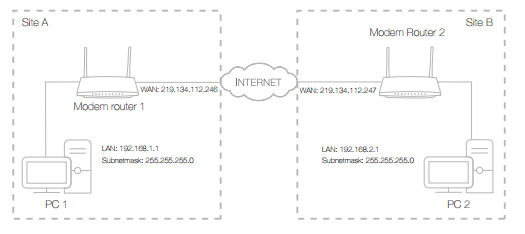
In the recent period, more and more households have started using VPNs on their home networks. Most users are enabling VPNs on their routers, so every smart device connected to the router is protected by the VPN and receives a masked IP address. You will most likely have to install VPN apps created for specific devices to access them remotely. So, it might take a few steps to set these things, but in the end, you can expect smooth and secure access to your home network via VPN, regardless of your current location. The major benefit of configuring your router to use a VPN is that all the devices on your network—from a smart fridge to phones—are protected behind the VPN.




No comments:
Post a Comment